Things to Do in Yunnan
Where China forgets to be China, and rice terraces float in the clouds
Top Things to Do in Yunnan
Find activities and tours you'll actually want to do. Book through our partners -- no booking fees.


Plan Your Trip
Essential guides for timing and budgeting
Climate Guide
Best times to visit based on weather and events
View guide →Day Trips
The best excursions and nearby destinations worth the journey
Explore day trips →Where to Stay
Best neighbourhoods, hotel picks, and booking tips
Find hotels →Travel Insurance
What's required, what coverage matters, and how to get a quote
Read guide →What to Pack
Climate-specific gear, essentials, and what to leave at home
See packing list →When Should You Visit Yunnan?
Tap a month for weather, crowds, and highlights
View full year-round climate guide →Your Guide to Yunnan
About Yunnan
The smell hits first. Pine smoke drifts from Yi kitchens and mingles with steam curling off bowls of crossing-the-bridge noodles at Kunming's Nanping Market. This is Yunnan, where altitude leaps from 2,000 to 6,000 meters faster than your ears pop and every valley speaks its own tongue. In Lijiang's Dayan Old Town, Naxi women weave silver threads through their hair while selling yak butter tea for 8 yuan ($1.10) inside courtyards where waterwheels clack and Chinese visitors pose for selfies.
Far south in Xishuangbanna, January still hits 28°C (82°F). Dai grandmothers grill fish wrapped in banana leaves over charcoal fires that will set you back 50 yuan ($7) at the Menghun night food street. The trade-off is real. Roads corkscrew over 4,000-meter passes where your phone goes dark for days. Guesthouses rely on solar panels that surrender during the rainy season.
Then you pedal Erhai Lake at sunrise. Cormorants spear breakfast while farmers pull lotus roots from the mud. You realize this is the China that existed before the China you imagined.
Travel Tips
Transportation: Kunming's metro runs 2-6 yuan ($0.30-$0.85). It links to high-speed trains that reach Dali in 2 hours for 145 yuan ($20). That's half the tourist bus fare. Download the 12306 app before landing. The English version handles bookings smoothly. The sleeper bus to Shangri-La looks romantic. Reality hits at 2 AM on 3,000-meter switchbacks. Better move: fly Kunming for 400 yuan ($55) and skip the Dramamine.
Money: ATMs blanket the region except Tiger Road. They're banned there. Bring cash to Yuanyang's rice terraces where guesthouses refuse cards. WeChat Pay rules Kunming yet collapses in smaller towns. Airport exchange rates lag 3% behind Bank of China branches on Renmin Road. Smart play: the Agricultural Bank ATM at Dali Old Town gate charges zero foreign card fees.
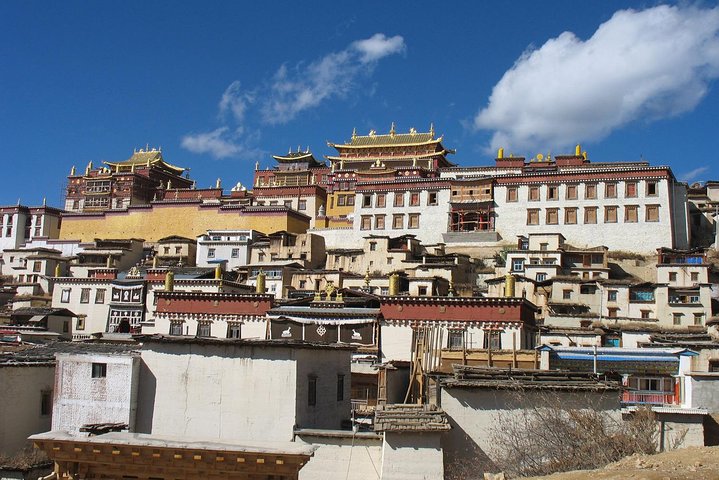
Cultural Respect: Photographing Naxi women in Lijiang? Ask first. They usually say yes for 5 yuan ($0.70) but bristle if you skip the offer. At Tibetan monasteries, circle stupas clockwise. Remove hats inside prayer halls. Never point at Buddhist statues. Don't touch Bai people's heads. They balance baskets there, it's not a greeting. Yi villages near Lugu Lake welcome visitors bearing small gifts of fruit or cigarettes.
Food Safety: That pink pickle in every Kunming breakfast bowl is fermented lotus root. Safe stuff. But start small. Street vendors in Dali draw from mountain springs. Their yak cheese won't hurt you, altitude might. In Xishuangbanna, skip raw papaya salad from roadside stands. Locals carry the gut flora, you don't. The hot pot broth in Shangri-La sits at 95°C (203°F) all day. It's safer than bottled water.
When to Visit
March gifts Kunming 15-22°C (59-72°F) days with light showers. Azaleas explode and hotel prices drop 25% from peak. April-May shines everywhere: 18-25°C (64-77°F) in Dali, 12-20°C (54-68°F) in Lijiang before summer rains arrive. June-August brings monsoon afternoons in the valleys. Shangri-La stays dry at 15°C (59°F), good for trekking.
September-October harvest turns Yuanyang's terraces gold under 20-28°C (68-82°F) skies. Golden Week packs domestic tourists and spikes hotel rates 40%. November-February is dry season with 8-20°C (46-68°F) days. Pack layers for 30-degree swings. Dali's Three Pagodas Festival in mid-April books guesthouses solid two months ahead.
Winter flights from Beijing fall to 800 yuan ($110) versus 1,500 yuan ($210) in July. Families should dodge July-August humidity. Solo travelers adore October when you own entire guesthouse rooftops under Himalayan stars.
More Ways to Experience Yunnan
Tours, day trips, and local experiences curated by on-the-ground operators.
Didn't see anything interesting yet?
Browse Viator's full catalog of tours, day trips, food experiences, and private guides in Yunnan.
See All Yunnan Tours on Viator